
FMF 2026 Keynote Speakers
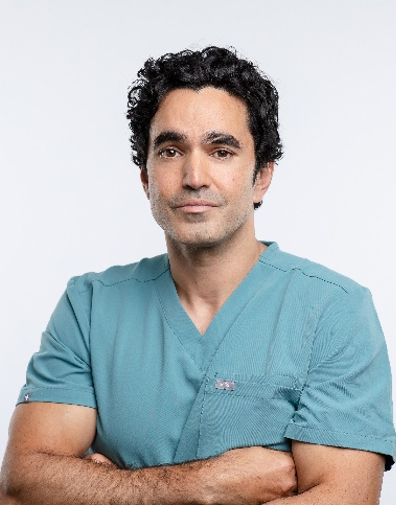
Wednesday Keynote: Dr. Andrew Boozary
The Pathologies of Poverty—and the Promise of Primary Care
Learning objectives:
By the end of this session, participants will be able to:
- Describe how social conditions influence health outcomes and healthcare utilization.
- Explain the relevance of social medicine to modern family practice.
- Identify practical approaches to integrating social care into primary care.
- Explore opportunities for family medicine to advance health equity through clinical practice and community partnerships.
Description: Family physicians are increasingly caring for patients whose greatest health risks lie beyond the clinic walls. Poverty, housing instability, food insecurity, and social isolation are driving illness, widening health inequities, and placing growing pressure on primary care. In this keynote, Dr. Andrew Boozary explores the history of social medicine and the evidence linking social conditions to health outcomes. Leveraging data, lived experience, and innovative models of care, he will examine how primary care can partner with communities to address the upstream causes of illness and help build a more equitable, effective health system.
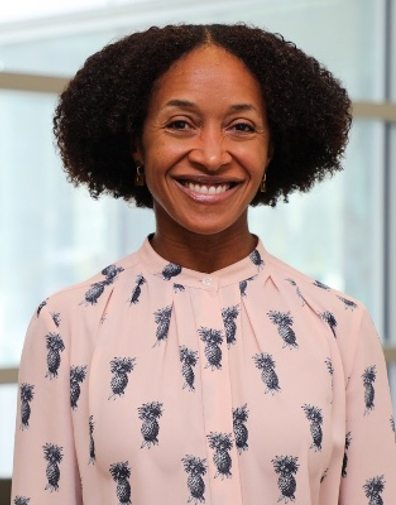
Thursday Keynote: Dr. Aisha Lofters
Beyond Barriers: Building Equity Into Screening and Primary Care
Learning objectives:
By the end of this session, participants will be able to:
- Describe the structural barriers that contribute to health inequities among marginalized populations, using cancer screening as a case example
- Apply trauma-informed approaches in primary care, such as reducing stigma, building trust, and creating psychological safety, to improve screening access and outcomes
- Identify specific clinic-level and system-level actions that family physicians can take or advocate for to advance screening equity
Description: Health inequities are pervasive in our society and in primary care. This keynote talk will explore how family physicians can advance equity in their own practices and clinical settings, while advocating for system-level change. Cancer screening, a powerful prevention tool which has a strong evidence base for reducing incidence and mortality, yet pervasive and persistent inequities, will be used as a case example. Drawing on trauma-informed approaches, this talk will examine how reducing stigma and building trust can improve screening outcomes. You will leave with practical strategies, and clarity on what needs to shift at the practice and health system level. We will also discuss the importance of your own wellness in the context of equity-oriented work.
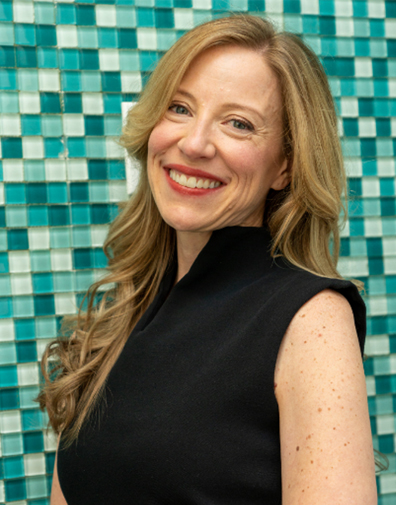
Friday Keynote: Sarah McVanel
The Exponential Power of Recognition: The ripple effect of making people feel they matter
Learning objectives:
By the end of this session, participants will be able to:
- Identify practical recognition strategies that strengthen connection, trust, and collaboration among healthcare teams.
- Identify the early signs of disconnection, compassion fatigue, and burnout, and use meaningful recognition practices to reinforce well-being and resilience.
- Create intentional recognition habits that foster belonging, improve team culture, and reinforce a shared sense of purpose in family medicine.
Description: In a time of increasing complexity, uncertainty, and disconnection, one thing remains universally true: people need to feel valued. Patients need it. Colleagues need it. Healthcare teams need it. Communities need it. And yes, physicians need it too. When meaningful human connection is missing, well-being suffers, collaboration becomes harder, and compassion fatigue grows. People can feel increasingly isolated, exhausted, and pulled in countless directions by the many things competing for their time, energy, and attention. Yet recognition has the power to strengthen far more than morale. It reinforces connection, resilience, teamwork, and a renewed sense of purpose. It reminds people that their work matters and that they matter. What if recognition was viewed not as a program, perk, or annual event, but as one of healthcare's most powerful tools for creating belonging, strengthening relationships, and sustaining hope?
Join Sarah McVanel, Canada's Recognition Expert and international authority on the art and science of appreciation, for a dynamic, evidence-based keynote that challenges outdated thinking and builds unrivalled cultural resilience.
Drawing on real-world healthcare stories, compelling research, actionable tools, and her signature F.R.O.G. framework—Forever Recognize Others' Greatness™—Sarah reveals how recognition helps people move from asking, "What's the matter?" to discovering, "What matters most?" Participants will explore practical ways to recognize patients, colleagues, healthcare teams, and themselves in ways that are meaningful, authentic, and lasting.
Whether you're navigating change, rebuilding trust, supporting exhausted teams, or simply trying to sustain the energy required to care for others, recognition is far more than a nice gesture. It is a powerful pathway to belonging, resilience, well-being, and performance. In today's healthcare environment, every person deserves to feel seen, heard, valued, and appreciated. Because when people know they matter, everything changes.